logo
Enviar mensagem
Hebei Better United Import And Export Co., Ltd.

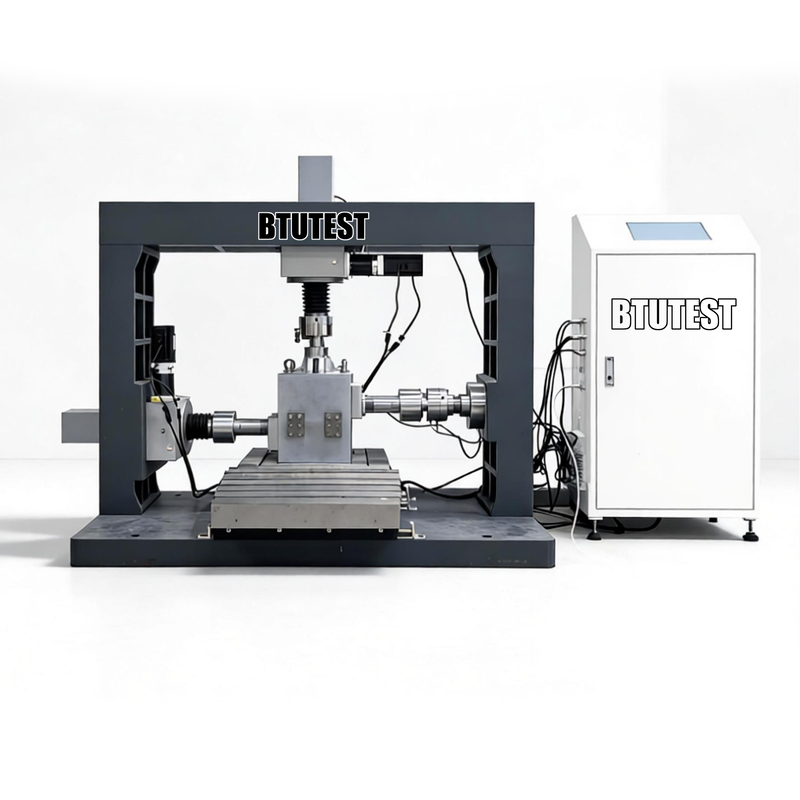
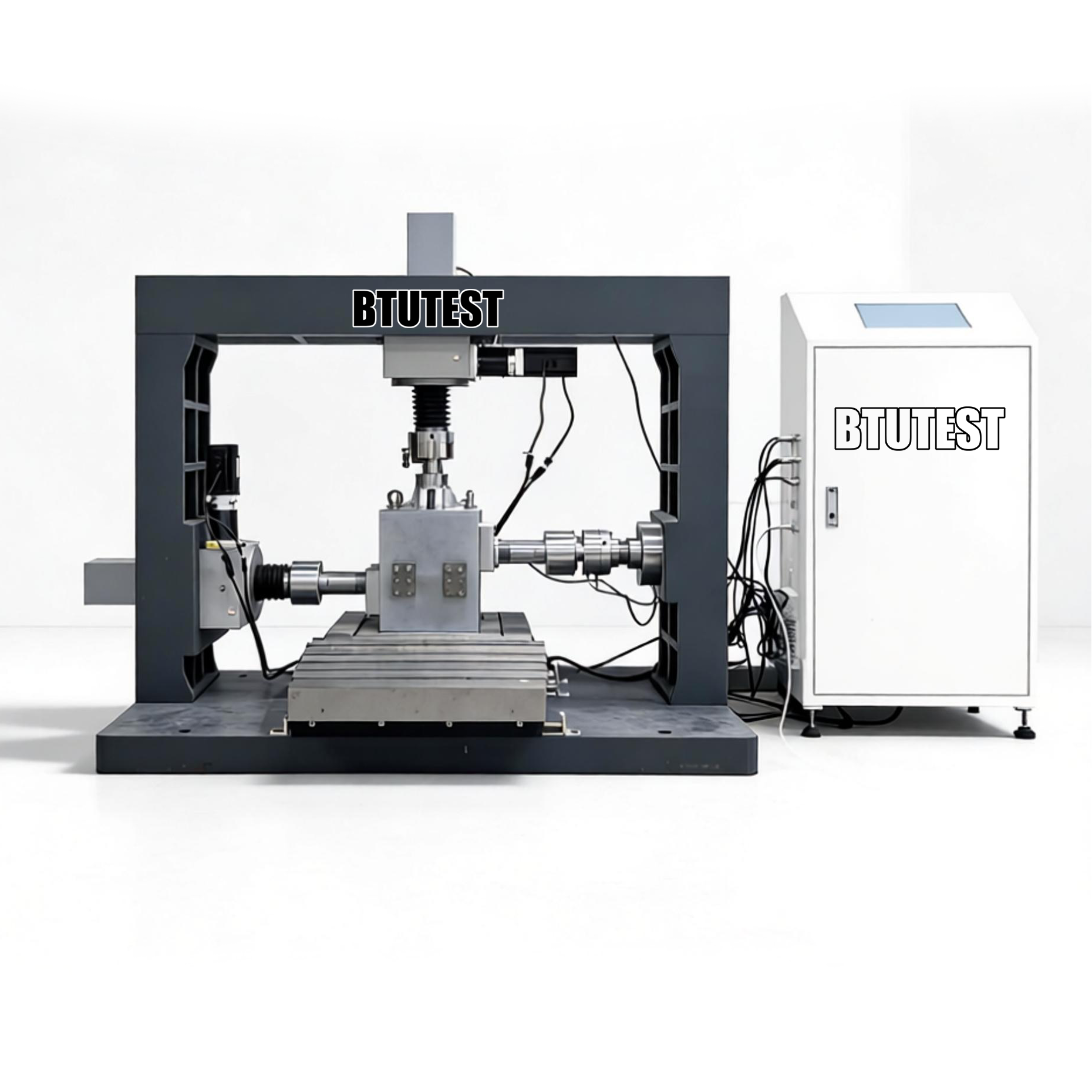
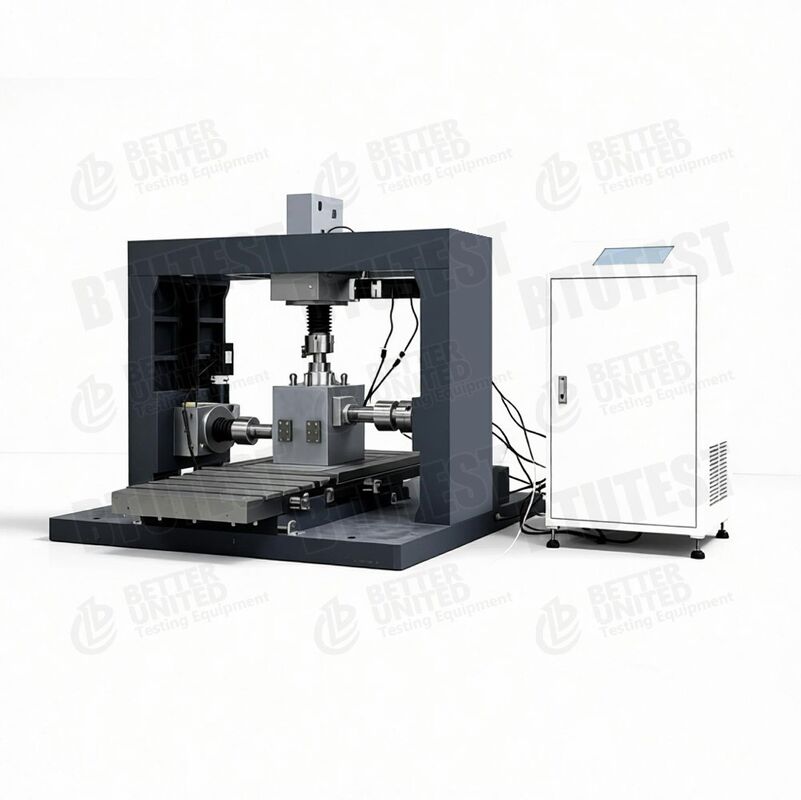
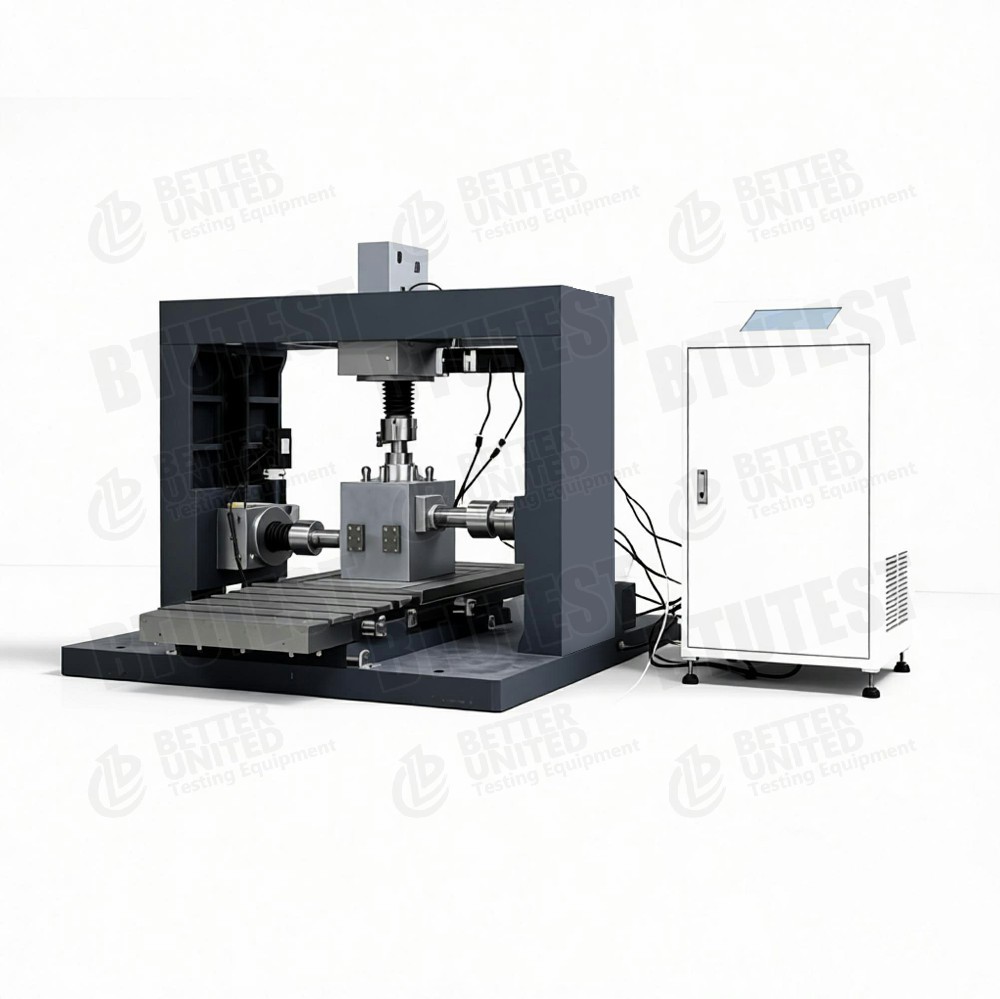
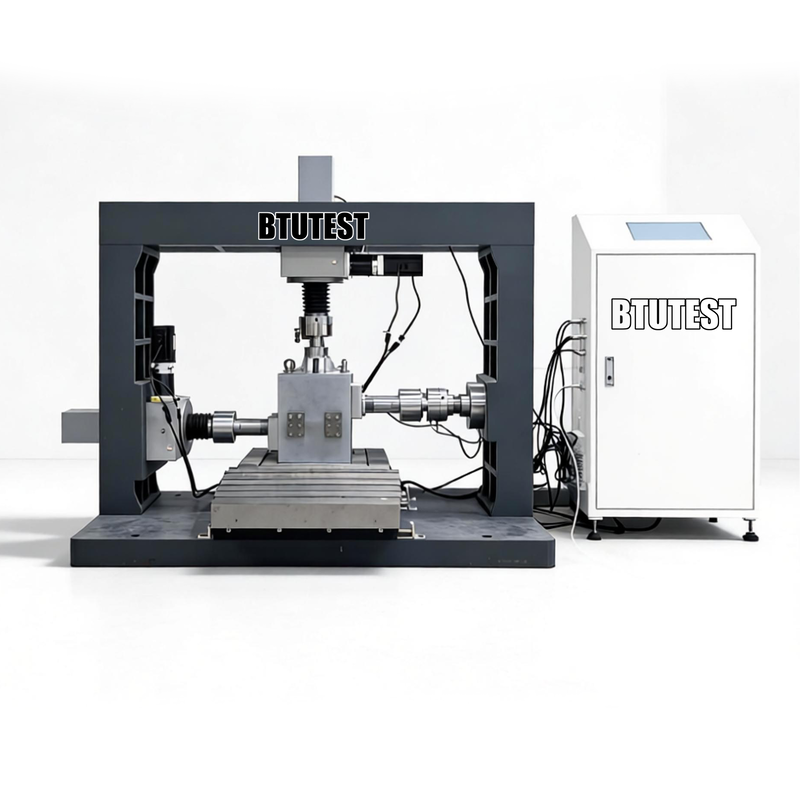
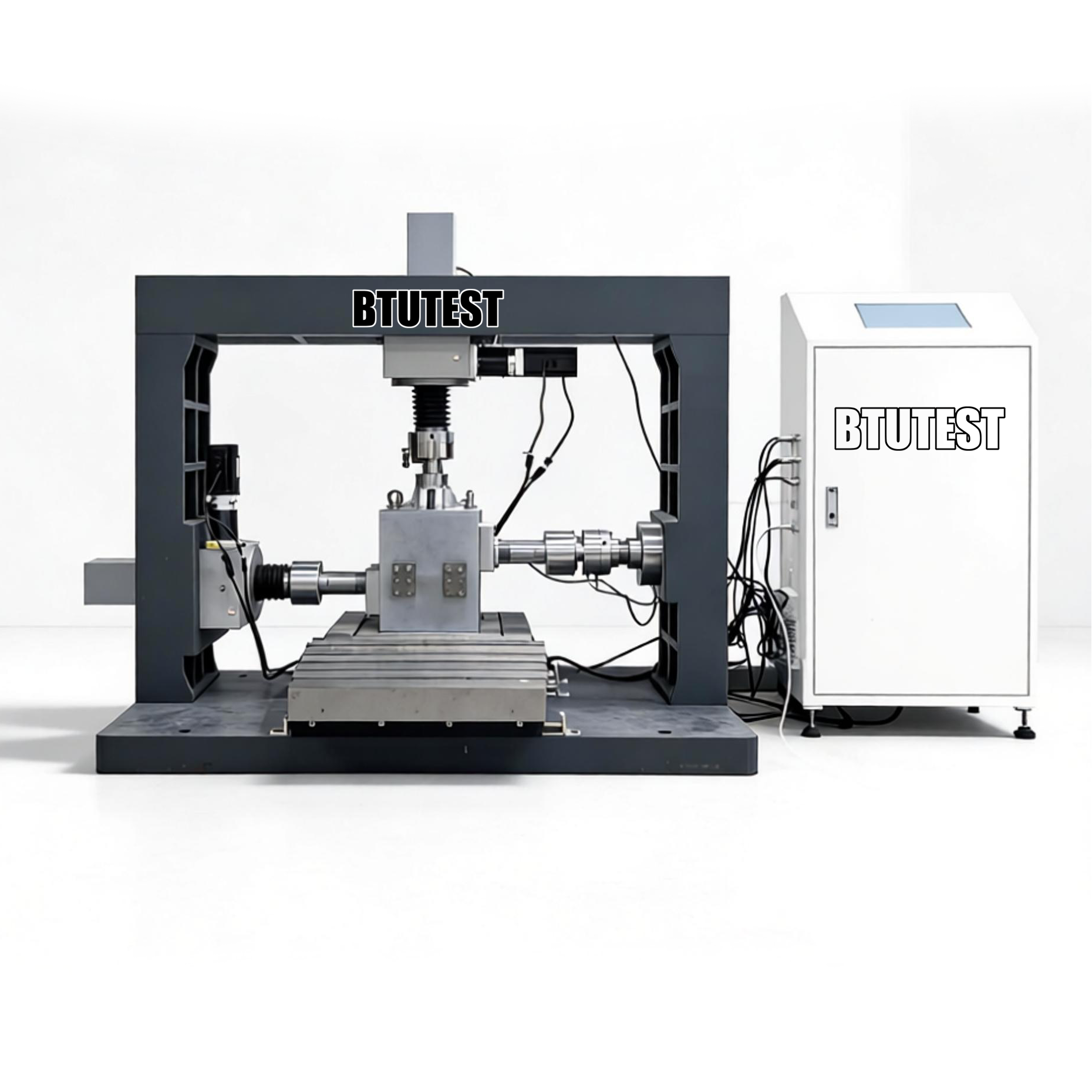
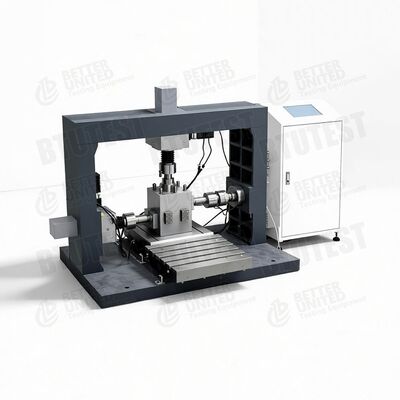
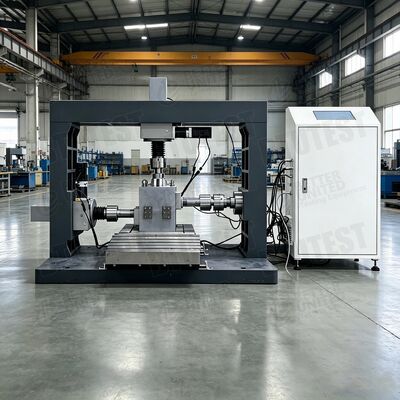
Automatic Rock Direct Shear Apparatus

Detalhes do produto:
Lugar de origem: FEITO NA CHINA
Marca: BTUTEST
Certificação: SGS, INTERTEK
Número do modelo: BTU-RDSS-30
Condições de Pagamento e Envio:
Quantidade de ordem mínima: 1 conjunto
Preço: Negociável
Detalhes da embalagem: Caixa de madeira da exportação padrão do equipamento de testes do solo
Tempo de entrega: 6 dias após o pagamento
Termos de pagamento: L/C, D/A, D/P, T/T, Western Union
Habilidade da fonte: 100 conjuntos por mês
  • Informação detalhada
  • Descrição de produto

Informação detalhada

Nome: Aparelho automático de cisalhamento direto de rocha Garantia: 1 ano
Mofo: BTU-RDSS-30 Função básica: Teste de cisalhamento direto de rocha
Carregamento de cisalhamento: Servocontrolado, 300 kN, curso de 50 mm Tamanho da amostra: Amostras cilíndricas de 50 mm e 100 mm de diâmetro (também quadradas, cúbicas, fragmentos)

Descrição de produto

Fully Automatic Rock Direct Shear Apparatus

Models BTU-RDSS-30 / BTU-RDDA-50

Description

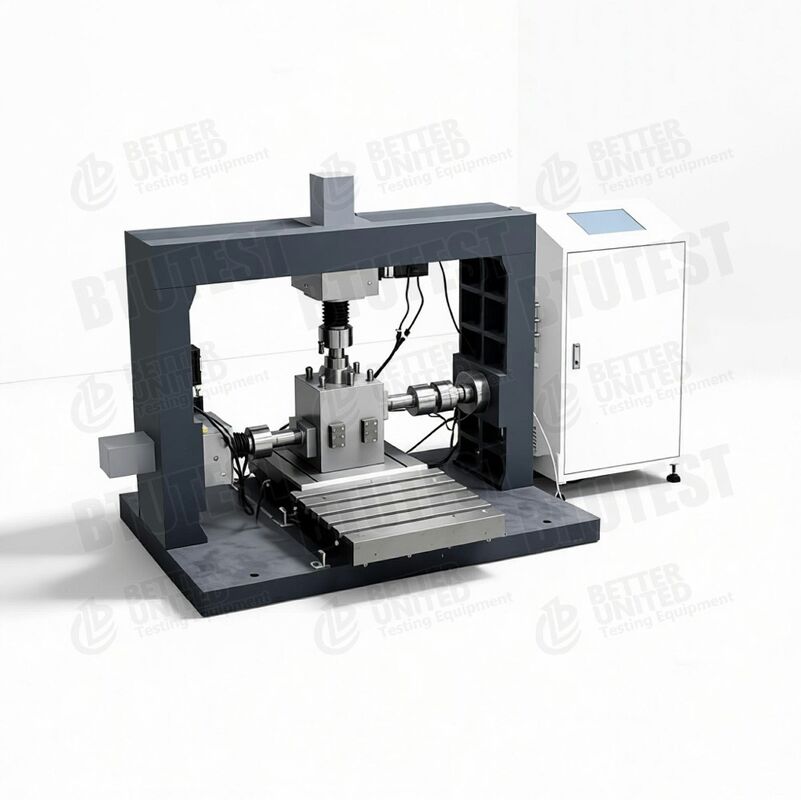
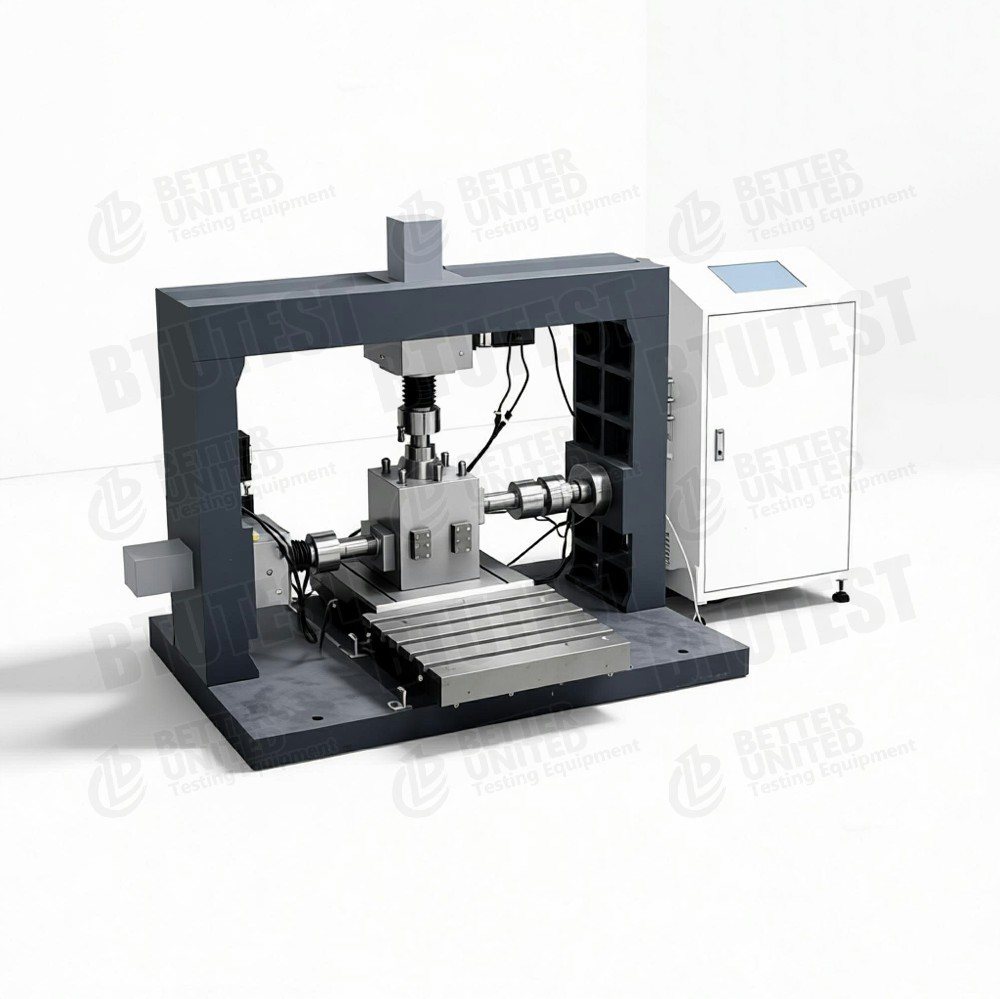
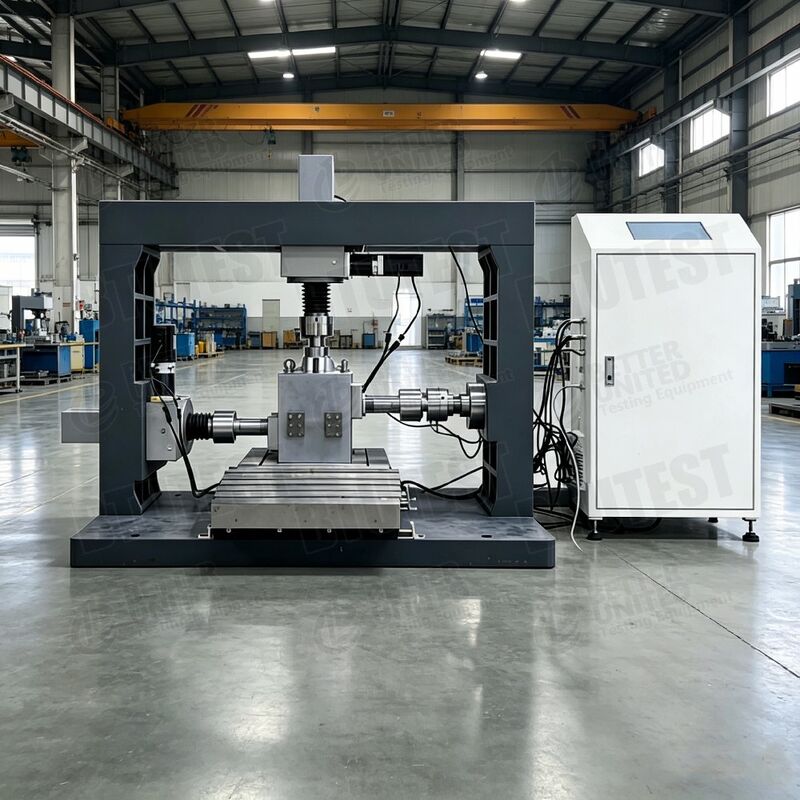
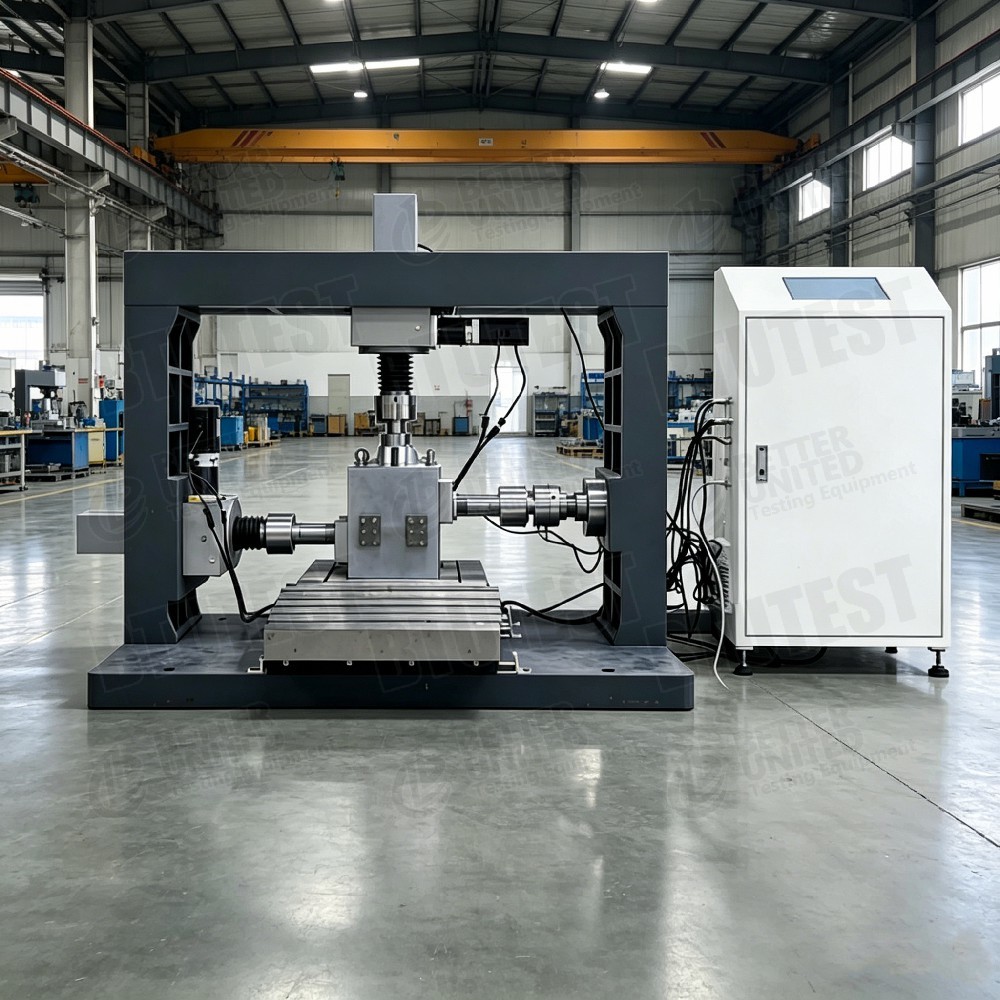
This equipment is a fully automatic rock direct shear apparatus used to determine the shear strength of rock specimens (including round, square, cubic, and rock fragments). The system useselectro‑hydraulic closed‑loop servo controlfor precise control of shear and normal loads. Main features include:

  • Servo closed‑loop control, dual‑stroke (push/pull) shear drive system
  • Rigid normal load reaction frame mounted on linear bearings to minimise horizontal friction, ensuring that the normal load remains vertical throughout the entire shear displacement
  • Specimen ring with inner diameter 150 mm and height up to 150 mm
  • Software‑controlled shear test with constant normal stress or constant normal stiffness, real‑time graphical display of results
  • Larger‑scale direct shear apparatus also available (e.g., shear load up to 500 kN, specimen size up to 150 mm)

Two models are available:

  • BTU-RDSS-30: Basic model, 300 kN shear/normal load, 50 mm stroke
  • BTU-RDDA-50: Advanced model, 500 kN shear/normal load, 50 mm stroke, supports residual shear and incremental testing

Test Standards (International)

  • ASTM D5607(Standard test method for direct shear of rock)
  • ISRM suggested methods(Direct shear test for rock – International Society for Rock Mechanics)
  • ASTM D4554(Direct shear of rock blocks)
  • ASTM D2664(Triaxial strength of rock – similar principle)
  • BS EN 12407(Natural stone test methods)

The equipment meets the requirements of these standards for loading control, displacement measurement, and normal stress control in rock direct shear testing.

Specification

Parameter BTU-RDSS-30 BTU-RDDA-50
Basic function Rock direct shear test Rock direct shear, residual shear, and incremental tests
Shear loading Servo‑controlled, 300 kN, 50 mm stroke Servo‑controlled, 500 kN, 50 mm stroke
Normal loading Servo‑controlled, 300 kN, 50 mm stroke Servo‑controlled, 500 kN, 50 mm stroke
Specimen size 50 mm, 100 mm diameter cylindrical specimens (also square, cubic, fragments) 50 mm, 100 mm diameter cylindrical specimens (also square, cubic, fragments)
Other load ranges / sizes 300 kN / 50 mm 500 kN / 50 mm
Remarks Fully automatic servo control Fully automatic servo control
Specimen ring 150 mm ID, 150 mm height 150 mm ID, 150 mm height
Reaction frame Rigid, mounted on linear bearings Rigid, mounted on linear bearings
Control method Electro‑hydraulic closed‑loop servo Electro‑hydraulic closed‑loop servo
Software functions Constant normal stress or constant normal stiffness, real‑time graphics Same, plus residual shear and incremental test support
 

Detail

  • Electro‑hydraulic closed‑loop servo control– Both shear and normal loading use servo‑hydraulic systems for precise force/displacement control, supporting complex stress paths.
  • Dual‑stroke push/pull– Enables forward and reverse shearing (reciprocating shear) for residual strength testing.
  • Linear bearing reaction frame– The normal load reaction frame is mounted on linear bearings. As the specimen moves horizontally, the reaction frame moves with it, ensuring that the normal load remains perpendicular to the shear plane (avoiding eccentric moments).
  • Specimen ring– 150 mm inner diameter, 150 mm height, accommodating cylindrical, square, cubic, or irregular rock fragments.
  • Displacement measurement– Can connect four vertical displacement sensors; software automatically calculates the average vertical displacement.
  • Test modes
    • Constant normal stress (constant normal load)
    • Constant normal stiffness (simulating specific boundary conditions)
    • Residual shear (reciprocating shear)
    • Incremental test (multi‑stage loading)
  • Software functions– Automatic test control, real‑time display of load‑displacement curves and stress‑strain curves, automatic data processing.

Application

  • Rock mechanics– Determine shear strength parameters (c, φ) of rock joints, rock blocks, and structural planes.
  • Geotechnical engineering– Stability analysis of dam foundations, tunnel surrounding rock, and rock slopes.
  • Rock fragments– Test shear strength of irregular rock fragments (e.g., colluvium, crushed rock).
  • Residual strength– Study strength degradation of rock joints after repeated shearing (BTU-RDDA-50).
  • Incremental testing– Apply different normal stresses on the same specimen to obtain multiple strength points.
  • Research and teaching– Rock mechanics laboratories in universities and research institutes.

Advantages

  • High load capacity– Up to 500 kN, suitable for hard rock and large‑size specimens.
  • Linear bearing reaction frame– Ensures normal force remains perpendicular to the shear plane, avoids moment errors, and improves test accuracy.
  • Dual‑stroke push/pull– Allows reciprocating shear for residual strength studies.
  • Compatible with multiple specimen shapes– Round, square, cubic, and irregular blocks can all be tested.
  • Closed‑loop servo control– High precision force or displacement control, programmable complex test paths.
  • Multi‑sensor average vertical displacement– Four vertical displacement sensors; software automatically computes the average, eliminating the effect of specimen tilting.
  • Rich software functions– Supports constant normal stress, constant normal stiffness, residual shear, incremental tests, etc.
  • Large specimen ring– 150 mm ID × 150 mm height for testing larger rock samples.

What To Choose

Select the model based on testing requirements:

Requirement Recommended Model Reason
Conventional rock direct shear test, load requirement ≤300 kN BTU-RDSS-30 Lower cost, meets most rock direct shear needs
Need residual shear (reciprocating) or incremental tests BTU-RDDA-50 Supports advanced test modes
Need to test hard rock or large specimens (>300 kN) BTU-RDDA-50 500 kN load capacity
Testing irregular rock fragments Both models (need appropriate specimen fixtures) Both support fragments; consult manufacturer for fixtures
Need constant normal stiffness test BTU-RDDA-50 or RDSS-30 (check software) Both may support; RDSS-30 basic function might exclude stiffness mode
Limited budget, only basic direct shear BTU-RDSS-30 Satisfies basic requirements
 

Note: The “residual shear and incremental test” functions of the BTU-RDDA-50 are very important for studying joint surface strength evolution. If such tests may be needed in the future, it is advisable to choose the 50 model directly.

Process Flow

Example:Rock direct shear test (constant normal stress) using BTU-RDSS-30

  • Specimen preparation
    • Prepare cylindrical rock specimen of 50 mm or 100 mm diameter, or square/cubic/irregular fragment.
    • Measure specimen dimensions and describe joint surface characteristics (if any).
  • Specimen installation
    • Place the specimen into the 150 mm inner diameter specimen ring, using shims or fixtures to secure it.
    • Position the specimen ring in the shear box, connect the normal loading piston and horizontal loading piston.
    • Install four vertical displacement sensors (LVDTs) around the top of the specimen, and install a horizontal displacement sensor.
  • Apply normal stress
    • Set the target normal stress (e.g., 2 MPa) via the software.
    • The normal servo system automatically applies and maintains constant load (the linear bearing reaction frame ensures the force remains vertical).
    • Record vertical displacement (average) until stable.
  • Set shear parameters
    • Select the “rock direct shear test” module.
    • Set shear rate (e.g., 1 mm/min, or displacement control).
    • Set shear displacement limit (e.g., 10 mm or until residual).
    • Choose control mode: typically displacement control.
  • Start shearing
    • Start the horizontal servo system to push the shear box.
    • Software records horizontal shear force, horizontal displacement, vertical displacement (average of four), and time in real time.
    • Plot shear stress‑displacement curve.
  • Stop condition
    • Automatically stops when the preset shear displacement is reached or after a clear peak shear stress drop (failure).
  • Disassembly and cleaning
    • Unload normal force, retract horizontal piston, and remove the specimen.
    • Record failure mode (shear along joint, rock matrix failure, etc.).
    • Clean the specimen ring and sensors.
  • Data processing
    • Software calculates peak shear stress.
    • For tests at different normal stresses, plot Mohr‑Coulomb envelope to obtain rock joint cohesion c and friction angle φ.
    • If residual shear was performed (BTU-RDDA-50), calculate residual strength parameters.
    • Generate test report.

For residual shear or incremental testing:

  • Residual shear: after the first shear, reverse the direction or perform multiple reciprocating shears to obtain residual strength.
  • Incremental test: apply different normal stresses stepwise on the same specimen, shearing each time to obtain multiple data points (saving specimens).

Summary:The BTU-RDSS-30 and BTU-RDDA-50 are fully automatic rock direct shear apparatuses using electro‑hydraulic closed‑loop servo control. The linear bearing reaction frame ensures that the normal force remains perpendicular to the shear plane. They support multiple specimen shapes. The RDSS-30 is suitable for conventional rock direct shear (300 kN), while the RDDA-50 offers higher load capacity (500 kN) and supports residual shear and incremental tests. Selection should be based on the maximum load requirement and the need for advanced test modes. They are applicable to rock mechanics, geotechnical engineering, and geological hazard studies.


Entre em contato conosco

Incorpore sua mensagem

Você pode estar nesses